Unlock Perfect Grilled Eggplant: Your Essential Salting & Peeling Guide
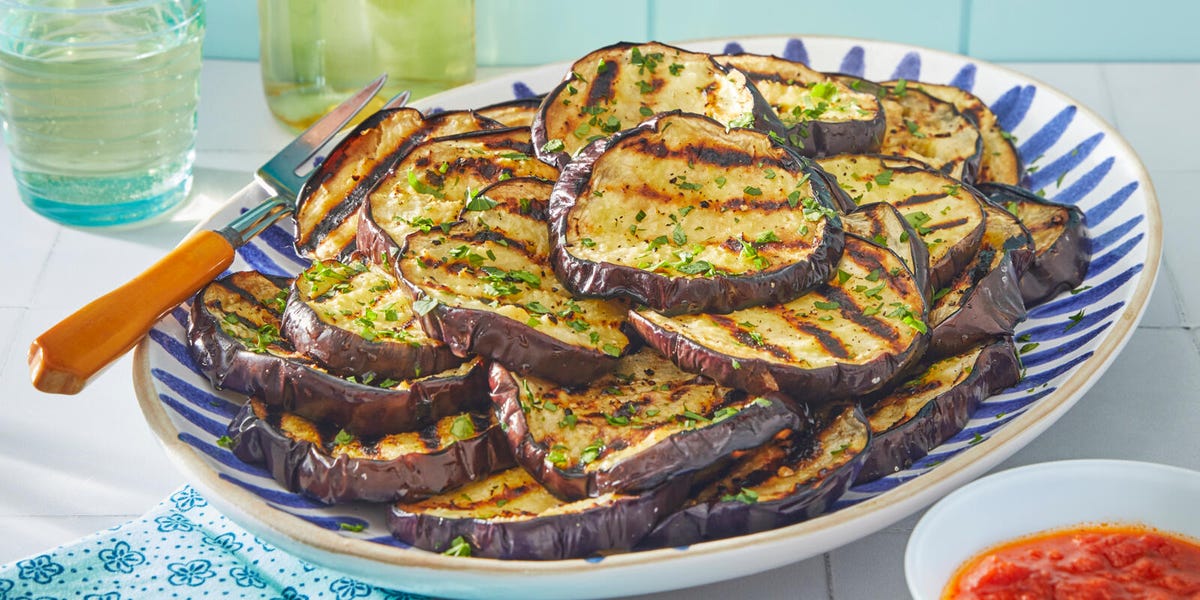
As the days grow longer and the sun warms our patios, the call of the grill becomes irresistible. While steaks and burgers often take center stage, there's a humble, versatile vegetable that truly shines with a kiss of flame: eggplant. A fantastic addition to any summer spread, a perfectly cooked grilled eggplant offers a delightful balance of smoky char, tender flesh, and a rich, sweet flavor. It's a lifesaver of a side dish when it's too hot to be indoors, offering a fresher, lighter take compared to its fried counterparts like eggplant parmesan.
However, many home cooks shy away from eggplant, fearing it will turn out soggy, bitter, or bland. The secret to an utterly delicious and firm grilled eggplant recipe often lies in two crucial, yet frequently debated, preparation steps: salting and peeling. This comprehensive guide will demystify these techniques, ensuring your grilled eggplant is perfect every single time.
The Magic of Grilled Eggplant: Why It's a Summer Staple
Beyond its delicious taste, grilled eggplant is a true unsung hero of the summer kitchen. It's incredibly easy and mess-free to prepare, making it an ideal companion for any protein you're already grilling – from sausages and steaks to chicken. The eggplant quickly cooks up alongside your main, offering a gorgeous and balanced dinner.
But the benefits don't stop there. Eggplant is low in calories, high in fiber, and boasts a wonderfully meaty texture that makes it incredibly satisfying. This versatility means it can easily serve as a beautiful side dish, perhaps drizzled with pesto, chimichurri, hummus, or tzatziki, or even as a light and filling main course on its own. For those looking to elevate their dish, consider serving it with an Easy 10-Minute Grilled Eggplant with Garlic Lemon Herb Sauce for an explosion of fresh flavors.
Achieving this level of perfection, however, hinges on understanding how to properly prepare the eggplant before it even hits the grates.
The Salt Secret: Unlocking Perfect Texture and Flavor
Perhaps the most critical step in preparing a truly exceptional grilled eggplant recipe is salting it prior to cooking. While it won't "ruin" your meal if you skip it, untreated eggplant runs the significant risk of being soggy, under-seasoned, and occasionally bitter. Salt, in this context, is the most powerful ingredient you can employ.
Why Salting is Non-Negotiable for Grilling Eggplant
- Moisture Management: Preventing Soggy Results: Eggplant is incredibly porous and contains a high water content. When this excess moisture is heated on the grill, it steams rather than chars, leading to a limp, watery, and unappealing texture. Salt works through osmosis, drawing out this internal moisture, allowing the eggplant to truly grill and develop those coveted smoky char marks and a firm, yet tender, consistency.
- Flavor Concentration: Intensifying Sweetness: By removing some of the water, the salt effectively concentrates the eggplant's natural sugars and flavors. This process results in a deeper, more pronounced, and naturally sweet taste that simply can't be achieved with unsalted eggplant.
- Bitterness Reduction: A Palate Pleaser: While modern eggplant varieties are generally less bitter than their predecessors, a lingering bitterness can still be present, especially in larger or older eggplants. Salt effectively "squashes" this bitterness, ensuring a purely delightful taste experience.
- Texture Transformation: Crisp Exterior, Tender Interior: The combination of moisture removal and subsequent grilling allows the eggplant to achieve a melt-in-your-mouth tender interior while the skin and outer layers develop a pleasing crispness from the direct heat. This textural contrast is a hallmark of perfectly grilled eggplant.
Curious for a deeper dive into this vital technique? Explore Why Salting Grilled Eggplant Makes It Perfect, Not Soggy.
How to Properly Salt Your Eggplant
- Slice Uniformly: Begin by slicing your eggplant into rounds, about 1/2 to 3/4 inch thick. Uniform slices ensure even cooking.
- Season Generously: Arrange the slices on a baking sheet lined with paper towels. Sprinkle a generous amount of salt (kosher salt works wonderfully) on both sides of each slice.
- Let It Sweat: Allow the salted eggplant to rest for at least 30 minutes. During this time, you'll observe beads of moisture forming on the surface – this is the excess water being drawn out!
- Dab and Dry: After resting, firmly dab both sides of each eggplant slice with clean paper towels to remove the released moisture and any excess salt. It's crucial to get them as dry as possible before moving to the next step.
To Peel or Not To Peel: A Guide to Eggplant Skin
Another common question when preparing eggplant for the grill is whether or not to remove its skin. The decision often comes down to personal preference, but understanding the role of the peel can help you make an informed choice for your specific grilled eggplant recipe.
The Benefits of Keeping the Skin On (Pre-Grilling)
- Structural Integrity: The peel provides vital structure to the eggplant slices, holding them together firmly. This is especially helpful on the grill, preventing them from falling apart when flipped or moved.
- Non-Stick Properties: Leaving the skin untouched on the grill, especially for the initial 3-5 minutes, can help prevent the eggplant from sticking to the grates. As grill marks appear, it's a good indication the surface is cooked and less prone to sticking.
- Nutritional Value: Eggplant skin is packed with beneficial fiber and antioxidants, particularly nasunin, which gives eggplant its vibrant purple hue. Keeping the skin on means you're retaining these added nutrients.
When You Might Consider Removing the Skin (Post-Grilling)
While the skin is beneficial during the cooking process, some individuals might find its slightly chewy texture less appealing. If you or your guests prefer a completely smooth, melt-in-your-mouth texture, you can easily trim the skin off the tender, cooked eggplant prior to serving. Once grilled, the skin softens considerably, making it simple to slice away if desired. Our recommendation? Leave the skin on for grilling, then decide after it's cooked!
Mastering Your Grilled Eggplant Recipe: Beyond Salting and Peeling
With salting and peeling tackled, let's look at a few more tips to ensure your grilled eggplant is the star of your next BBQ.
Choosing the Right Eggplant
The foundation of any great dish starts with quality ingredients. When picking out eggplant, look for ones that are firm and heavy for their size. The skin should be taut, glossy, and free from bruises, soft spots, or brown patches, which usually indicate an older, potentially bitter eggplant. Whether you choose large globe eggplants or slender Japanese varieties, fresh is best.
Oiling Techniques: The Eggplant Sponge
Eggplant is notoriously absorbent, acting like a sponge for oil. This means you need to be mindful of how much and when you apply it.
- Just Enough Oil: After patting dry your salted eggplant slices, brush both sides lightly with olive oil. You can also use avocado oil or vegetable oil. The key is to use *just enough* to coat without saturating.
- Timing is Everything: Once oiled, the eggplant is ready for the grill. Do not let it sit for too long after oiling, as it will continue to absorb the oil, potentially leading to a greasy result. Go straight to the grill!
Grilling for Perfection
The actual grilling process for eggplant is surprisingly quick, often taking only about 10 minutes:
- Preheat Your Grill: Ensure your grill is preheated to medium-high heat (around 400-450°F / 200-230°C). Clean and oil the grates to prevent sticking.
- Season Simply: After oiling, a simple sprinkle of black pepper is often all that's needed before grilling, as the initial salting has already imparted significant flavor.
- Grill Until Tender: Place the eggplant slices directly on the hot grates. Cook for 3-5 minutes per side, or until beautiful grill marks appear and the eggplant is tender and slightly charred. It should yield easily when poked with a fork.
- Doneness: You'll know it's done when it's soft, has good grill marks, and some areas show a slight char.
Finishing Touches: Sauces and Serving
Once grilled to perfection, eggplant is a blank canvas for flavor. While delicious on its own, a simple post-grill sauce can elevate it further. A popular choice is a vibrant garlic lemon herb sauce, consisting of fresh chopped parsley, lemon juice, minced garlic, dried oregano, and a pinch of crushed red pepper, all mixed with a little extra olive oil. Drizzle this "sauce" over the hot eggplant to prevent the delicate herbs from burning on the grill.
Serve your gorgeous grilled eggplant warm as a side dish, or let it cool slightly and incorporate it into salads, sandwiches, or grain bowls. Its meaty texture and rich flavor make it incredibly versatile.
Conclusion
Grilled eggplant, when prepared correctly, is a true summer delight – simple, healthy, and incredibly flavorful. By understanding the critical roles of salting and peeling, you unlock its full potential, transforming what could be a soggy disappointment into a perfectly tender, sweet, and smoky masterpiece. So, fire up that grill, grab a fresh eggplant, and confidently prepare a dish that will impress and satisfy. With these tips in your culinary arsenal, your next grilled eggplant recipe is destined for perfection.
