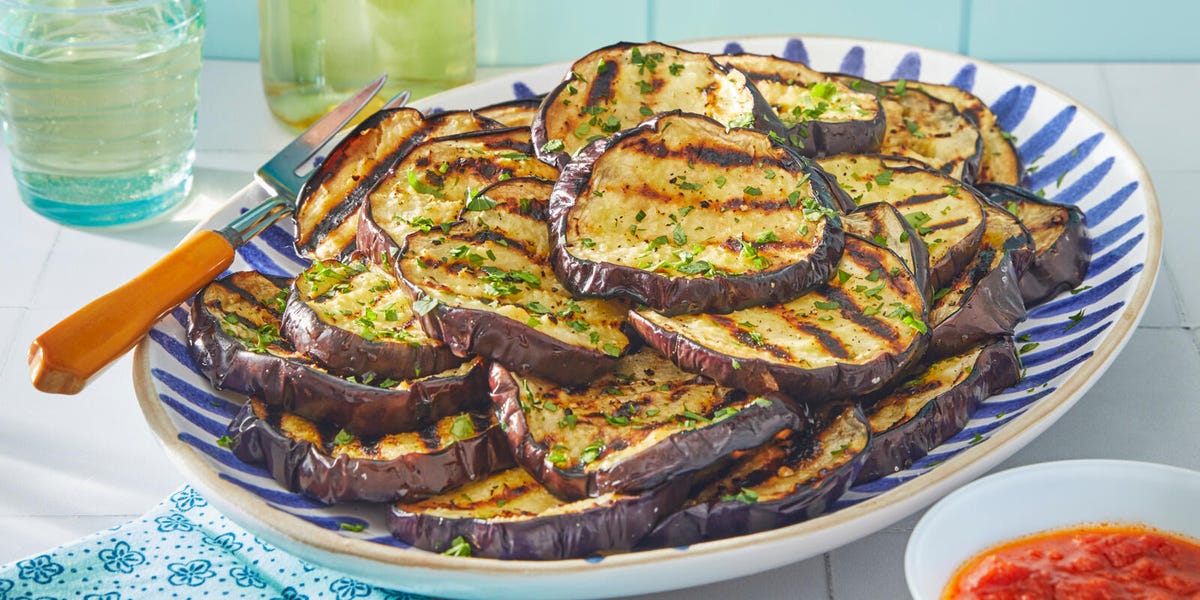
Why Salting Grilled Eggplant Makes It Perfect, Not Soggy
Summer calls for easy, flavorful, and light meals, and few dishes capture the essence of the season quite like grilled vegetables. Among the stars of the outdoor cookout, eggplant often takes center stage. Its meaty texture and ability to absorb flavors make it a versatile choice, transforming from a simple side to a satisfying main with ease. Imagine a beautiful platter of tender, smoky slices, perfectly charred and bursting with natural sweetness. This isn't a dream – it's the reality when you master the art of grilling eggplant. While the process itself is straightforward, there's one crucial step often overlooked or misunderstood that truly elevates your
grilled eggplant recipe from good to absolutely perfect: salting.
Many home cooks wonder if salting eggplant before grilling is really necessary, fearing it might lead to overly salty or even *more* watery results. The truth is, the opposite is true. This simple pre-treatment is the secret weapon against soggy, bland, or bitter eggplant, unlocking a depth of flavor and texture that will make this dish a regular in your summer rotation.
The Salting Secret: Why It's Non-Negotiable for Perfect Grilled Eggplant
If you’ve ever had a disappointing bite of grilled eggplant – perhaps it was watery, a bit rubbery, or had an unpleasantly bitter aftertaste – the culprit was likely a skipped salting step. While it won't "ruin" your meal, an unsalted eggplant simply won't reach its full potential. Think of salting as a foundational technique that lays the groundwork for culinary success.
Here's how this seemingly counterintuitive step works wonders for your
grilled eggplant recipe:
*
Moisture Extraction for Superior Texture
Eggplant, much like a sponge, is packed with water. When subjected to the high heat of the grill without prior treatment, this excess moisture rapidly releases, steaming the eggplant rather than allowing it to develop those coveted crispy edges and tender interior. By generously sprinkling salt on the sliced eggplant and letting it rest, you initiate a process called osmosis. The salt draws out this unwanted moisture, causing tiny droplets of water to bead up on the surface.
*The result?* After patting the eggplant dry, you're left with slices that are significantly less prone to becoming soggy and have a denser, more "meaty" texture that holds up beautifully on the grill. This pre-drying allows for proper caramelization and charring, contributing to that irresistible smoky flavor.
*
Concentrating Natural Sweetness and Flavor
When you remove excess water from fruits and vegetables, you also concentrate their natural flavors. For eggplant, this means intensifying its inherent sweetness and giving it a more profound, satisfying taste. Instead of tasting diluted and watery, your grilled eggplant will burst with a rich, earthy flavor that makes it a standout side dish. The salt itself also acts as a primary seasoning agent, ensuring the eggplant is seasoned from the inside out, rather than just on the surface.
*
Banishing Lingering Bitterness
Modern eggplant varieties have been cultivated to be less bitter than their ancestors, but a subtle bitterness can sometimes still be present, especially in larger or older eggplants. The same osmotic process that draws out water also helps to extract some of these bitter compounds. This ensures that every bite of your grilled eggplant is pleasantly sweet and savory, free from any harsh undertones. If you're wondering how to properly salt and prepare your eggplant for grilling, our guide to
Unlock Perfect Grilled Eggplant: Salting & Peeling Guide offers more in-depth instructions.
*
Achieving that Perfect Melt-in-Your-Mouth Tenderness
With less internal moisture to contend with, the eggplant cooks more efficiently and uniformly. The exterior can achieve a delightful crispness and beautiful grill marks, while the interior transforms into a soft, creamy, melt-in-your-mouth texture. This contrast in textures is a hallmark of perfectly cooked grilled eggplant and a key reason why the salting step is so vital.
The ideal salting process involves slicing your eggplant (rounds or planks work well), liberally sprinkling both sides with kosher or sea salt, and letting it rest on a baking sheet for at least 30 minutes, or even up to an hour. You'll visibly see moisture pearl on the surface. Then, and this is crucial, use paper towels to thoroughly dab away all the released liquid and excess salt. Don't skip this dabbing step, as it's what ensures your eggplant won't be overly salty and will be perfectly primed for the grill.
Peeling or Not Peeling: Understanding the Eggplant Skin
Another common question when preparing a
grilled eggplant recipe is whether or not to remove the skin. Unlike some vegetables where the peel is purely for aesthetic reasons, eggplant skin plays a practical role during grilling and offers nutritional benefits.
*
Structural Integrity
The peel provides essential structure to the eggplant slices, helping them maintain their shape and integrity on the grill. This is particularly useful for thinner slices, preventing them from falling apart or becoming too soft to flip. Keeping the peel makes for much easier handling and ensures your beautiful rounds or planks stay intact from grill to plate.
*
Preventing Sticking
The skin also acts as a natural barrier, helping to prevent the eggplant from sticking to the grill grates. When combined with a good brush of oil and adequate cooking time on each side (at least 3-4 minutes undisturbed), the peel contributes to a non-stick surface, allowing for easy lifting and the development of perfect grill marks.
*
Nutritional Benefits
Eggplant skin is rich in antioxidants, particularly nasunin, which gives eggplant its vibrant purple hue. It also contributes dietary fiber. Keeping the skin on means you're retaining more of these beneficial compounds and adding a little extra texture to your dish.
While the skin on grilled eggplant is perfectly edible and generally becomes tender when cooked, some individuals may find its texture slightly chewy. If you prefer a completely skinless eggplant experience, you can easily trim off the peel after the eggplant has been grilled and softened. For your first attempt, we recommend leaving the peel on and assessing your preference once cooked. If grill marks have appeared and the flesh is tender, the peel is definitely cooked through.
Beyond Salt & Skin: Crafting the Ultimate Grilled Eggplant Recipe
With the salting secret and peel decision out of the way, let's look at the other components that make a truly outstanding
grilled eggplant recipe.
*
Ingredient Selection is Key
*
Eggplant: When picking your star ingredient, look for eggplants that are firm, glossy, and feel heavy for their size. Avoid any with bruises, soft spots, or a dull appearance, as these indicate an older or damaged eggplant, which can sometimes be more bitter.
*
Oil: Olive oil is the classic choice for grilling eggplant, lending a Mediterranean flavor profile. However, you can also use avocado oil or a neutral vegetable oil. Be mindful that eggplant is incredibly absorbent. Use just enough oil to lightly coat both sides of your salted and dabbed slices. Apply the oil immediately before placing the eggplant on the hot grill – don't let it sit and soak, or you might end up with greasy results.
*
Seasoning: Beyond the initial salt and the oil, a simple sprinkle of freshly ground black pepper is often all you need. However, feel free to experiment with garlic powder, onion powder, smoked paprika, or a dash of your favorite dried herbs like oregano or thyme for added depth.
*
The Grilling Process Perfected
1.
Slice Uniformly: Aim for slices about ½ to ¾ inch thick. Uniformity ensures even cooking.
2.
Salt & Dab: Follow the steps outlined above. This is truly the most impactful pre-grilling step.
3.
Oil & Season: Lightly brush both sides of the dabbed eggplant slices with your chosen oil, then sprinkle with black pepper and any other desired seasonings.
4.
Preheat Grill: Heat your grill to a medium-high temperature. This is crucial for developing good char marks and cooking the eggplant efficiently.
5.
Grill: Place the seasoned eggplant slices directly on the hot grates. Grill for 3-5 minutes per side, or until tender with visible grill marks and a soft interior. Resist the urge to move or flip the eggplant too early, as this can cause it to stick. It’s ready to flip when it easily releases from the grates.
*
Serving Suggestions & Flavor Enhancements
Grilled eggplant is incredibly versatile. It's a fantastic side dish on its own, but also a wonderful addition to salads, sandwiches, pasta dishes, or even layered into a vegetarian lasagna. To truly elevate your dish, consider a vibrant finishing sauce. Options like homemade pesto, zesty chimichurri, creamy hummus, or refreshing tzatziki all pair beautifully. For a simple yet incredibly flavorful twist, consider a garlic lemon herb sauce, which adds a bright, fresh kick after the eggplant comes off the grill. Our
Easy 10-Minute Grilled Eggplant with Garlic Lemon Herb Sauce offers a perfect recipe for this, typically featuring fresh parsley, lemon juice, minced garlic, dried oregano, and a pinch of crushed red pepper, drizzled on *after* grilling to keep the herbs from burning.
Elevating Your Grilled Eggplant: Expert Tips & Variations
Once you’ve mastered the basics, consider these tips and variations to make your
grilled eggplant recipe truly shine:
*
Don't Overcrowd the Grill: Give each eggplant slice enough space to cook evenly and develop good char. Overcrowding can lower the grill temperature and lead to steaming rather than grilling.
*
Basting While Grilling: For extra flavor, consider basting the eggplant with a mixture of olive oil, garlic, and herbs during the last few minutes of cooking.
*
Add a Smoky Element: A small amount of liquid smoke mixed with your olive oil, or using wood chips in your grill, can impart a deeper smoky flavor.
*
Marinate for Depth: For an extra layer of flavor, after salting and dabbing, you can marinate your eggplant slices for 20-30 minutes in a mixture of olive oil, balsamic vinegar, minced garlic, and Italian herbs before grilling.
*
Cheesy Finish: A sprinkle of freshly grated Parmesan cheese immediately after removing the eggplant from the grill, while it's still hot, adds a delightful savory note.
*
Spice It Up: A pinch of red pepper flakes or a dash of chili powder in your seasoning blend can add a welcome kick.
Conclusion
The journey to perfect grilled eggplant begins not on the grill, but on your kitchen counter with a simple sprinkle of salt. This crucial step prevents sogginess, concentrates flavor, and eliminates bitterness, transforming what could be a watery disappointment into a tender, flavorful, and perfectly charred delight. By understanding the science behind salting and combining it with smart ingredient selection and grilling techniques, you'll consistently create a
grilled eggplant recipe that is far from soggy, and instead, wonderfully perfect. So go ahead, embrace the salt, fire up the grill, and savor the rich, smoky flavors of truly impeccable grilled eggplant this summer!